Pelvic Health; The conversation we shouldn't be whisperingh btitle for your new post
If you’ve ever crossed your legs when you sneeze, avoided certain workouts, felt heaviness or
pressure, experienced pain with intimacy, or wondered whether postpartum recovery is
supposed to feel this hard… you’re not alone.
You’re not dramatic.
You’re not “just getting older.”
And you definitely don’t have to just live with it.
Here’s the honest truth: pelvic health isn’t niche. It affects people of all ages, stages of life, and
activity levels.
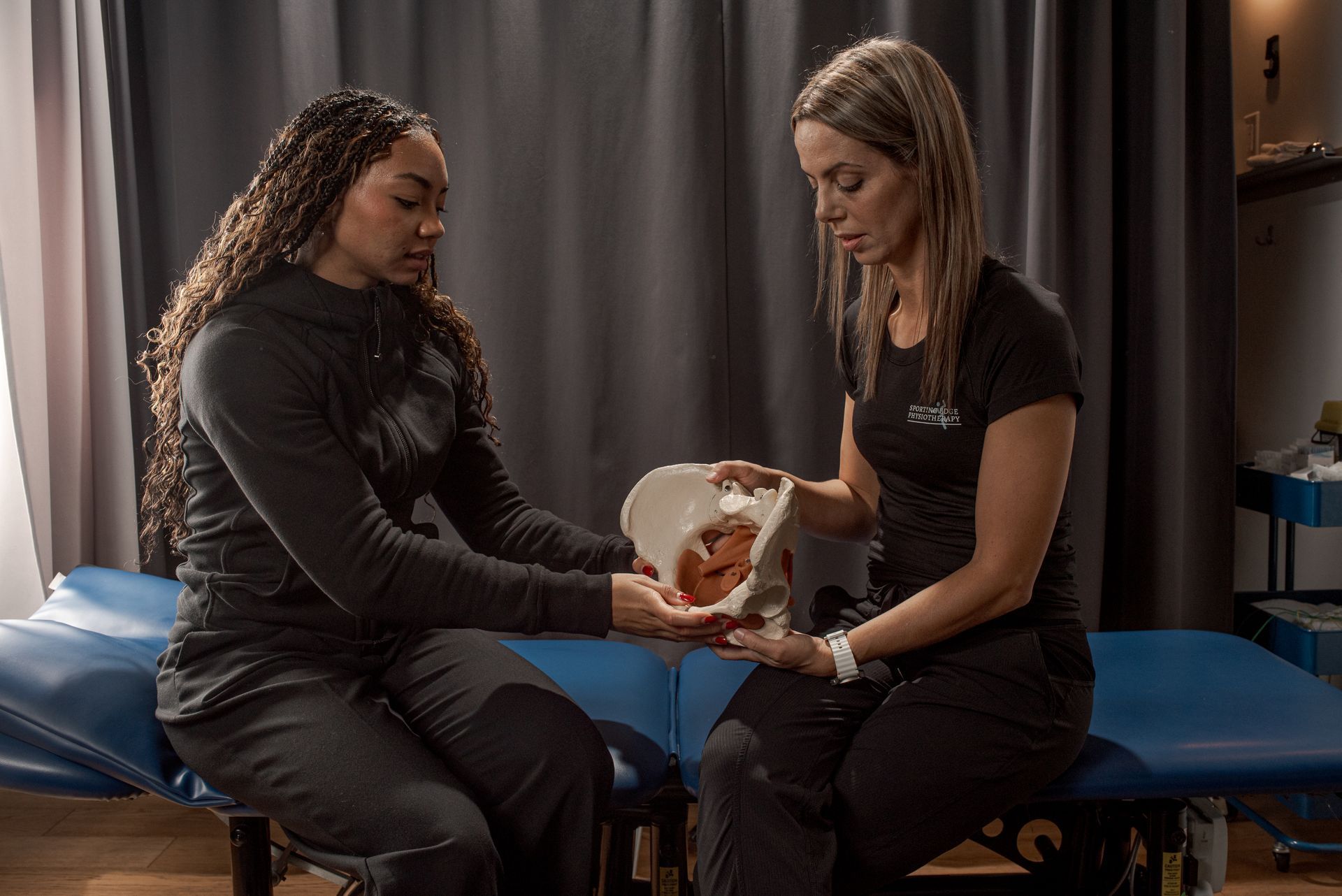
Pelvic health Physiotherapy is a specialized area of Physiotherapy that focuses on the pelvic
floor, the group of muscles that support your bladder, bowel, and reproductive organs. These
muscles are part of your deep core system. They contribute to continence, stability, breathing
mechanics, sexual function, and overall movement.
When they’re not functioning optimally, whether they’re weak, tight, overactive, underactive, or
simply uncoordinated, symptoms show up. Leakage. Urgency. Pelvic pain. Constipation. Pain
with intercourse. Prenatal and postpartum challenges. And yet so many people stay silent about
it.
A Patient-Centered Approach to Healing
One of the most reassuring things about pelvic health Physio is that it’s collaborative.
Your physiotherapist doesn’t hand you a generic sheet of exercises and send you on your way.
They start by meeting you where you’re at and listening to your story. Every journey is different,
and treatment is tailored to your individual needs.
Here’s what that often looks like:
Assessment: Your therapist evaluates posture, breathing patterns, muscle coordination, and
movement, because the pelvic floor doesn’t work in isolation. It’s part of a larger system.
Internal and External Evaluation: Depending on your comfort level and symptoms, this may
include both internal and external assessments to fully understand what’s happening.
Everything is explained clearly, and consent is always prioritized. No surprises. No pressure.
Education and Empowerment: You learn why your symptoms are happening and how your
body works. That understanding alone can feel incredibly validating. When people feel informed,
they feel empowered, and outcomes improve.
Personalized Plan: From strengthening or relaxation strategies to breathwork, manual therapy,
and return-to-sport programming, your plan is designed for your real life; whether that’s lifting
your kids, training hard, or simply getting through the day without anxiety.
Real-Life Benefits You Can Feel
Pelvic health Physiotherapy can help:
● Strengthen bladder and bowel control so you feel confident in everyday moments
● Alleviate chronic pelvic pain, making daily life more comfortable
● Restore sexual health and function, supporting intimacy and confidence
● Support pregnancy, postpartum recovery, and preparation for childbirth
● Help athletes return to training and performance with stability
Most importantly? People stop organizing their lives around symptoms. They start trusting their
bodies again.
Why We Care About It So Much
At Sporting Edge Physiotherapy, these conversations aren’t whispered. They’re welcomed.
Pelvic health is integrated into a broader philosophy of strength, movement, and long-term
resilience. Clients are treated as whole people, not diagnoses.
We see postpartum athletes wanting to return to sport confidently. We see individuals who’ve
been told “everything looks normal” but still don’t feel like themselves. And we see the shift that
happens when someone realizes there’s support and a solution.
For Physiotherapists who are passionate about this area, it’s an incredibly meaningful space to
work in. Pelvic health is respected, integrated, and supported within a collaborative,
performance-driven team environment.
If any part of this resonated with you, as a client or as a clinician, consider this your gentle
invitation to start the conversation. Because pelvic health isn’t optional. It’s foundational.
You deserve to feel strong, supported, and understood.
Share This Blog
More Than Recovery: Why Physiotherapy MatterS
Mentorship At Sporting Edge Physiotherapy
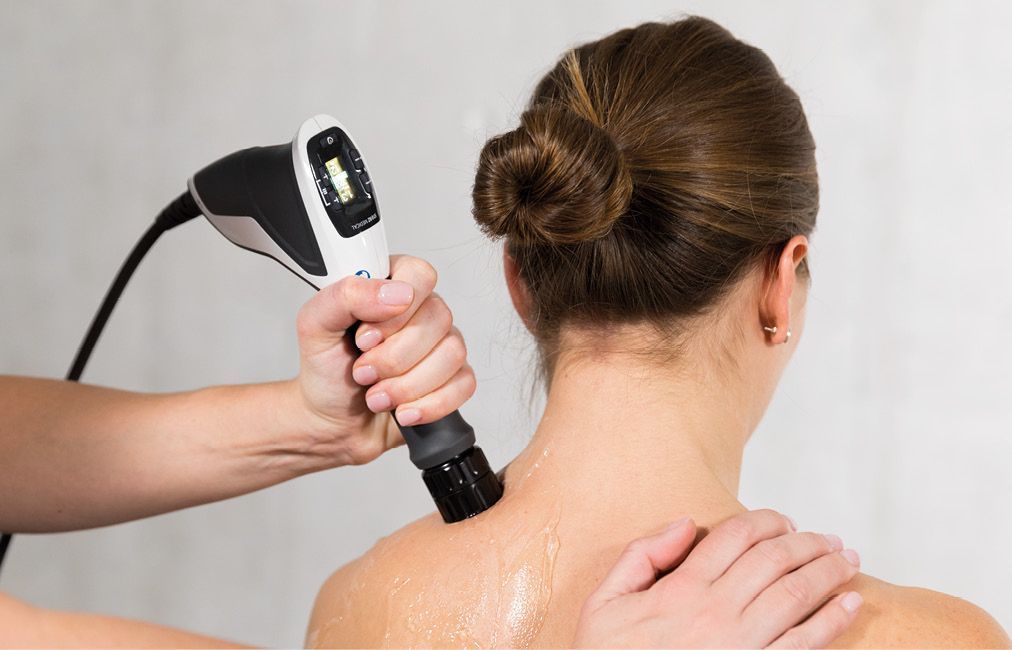
Experience the no added cost benefits of Shockwave therapy for turf toe, plantar fasciitis, patellar tendinitis, rotator cuff tendinitis, tennis & golfer's elbow
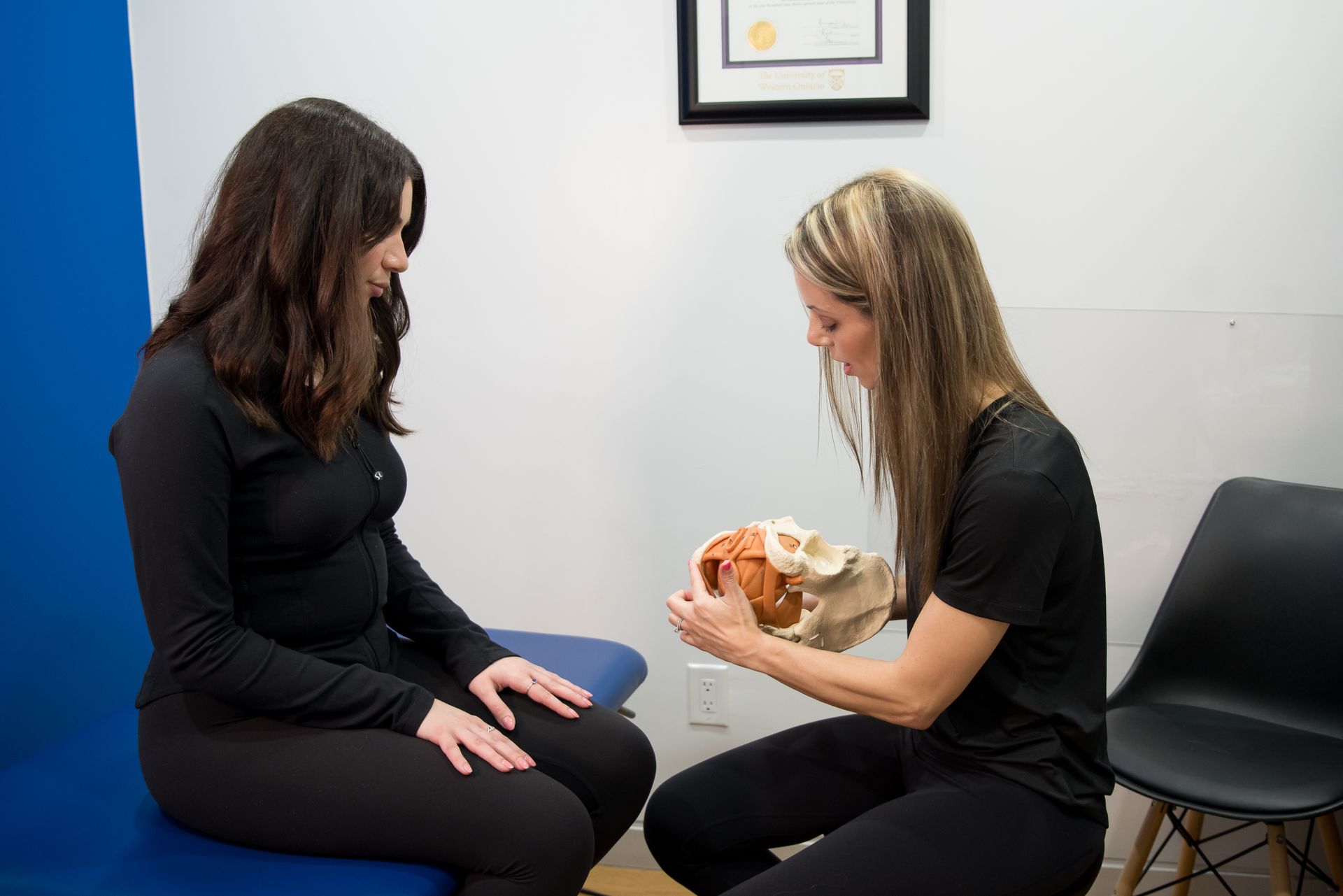
Unravel the misconceptions about pelvic floor therapy with Sporting Edge Physiotherapy's blog. Explore how it can improve your overall health and well-being.
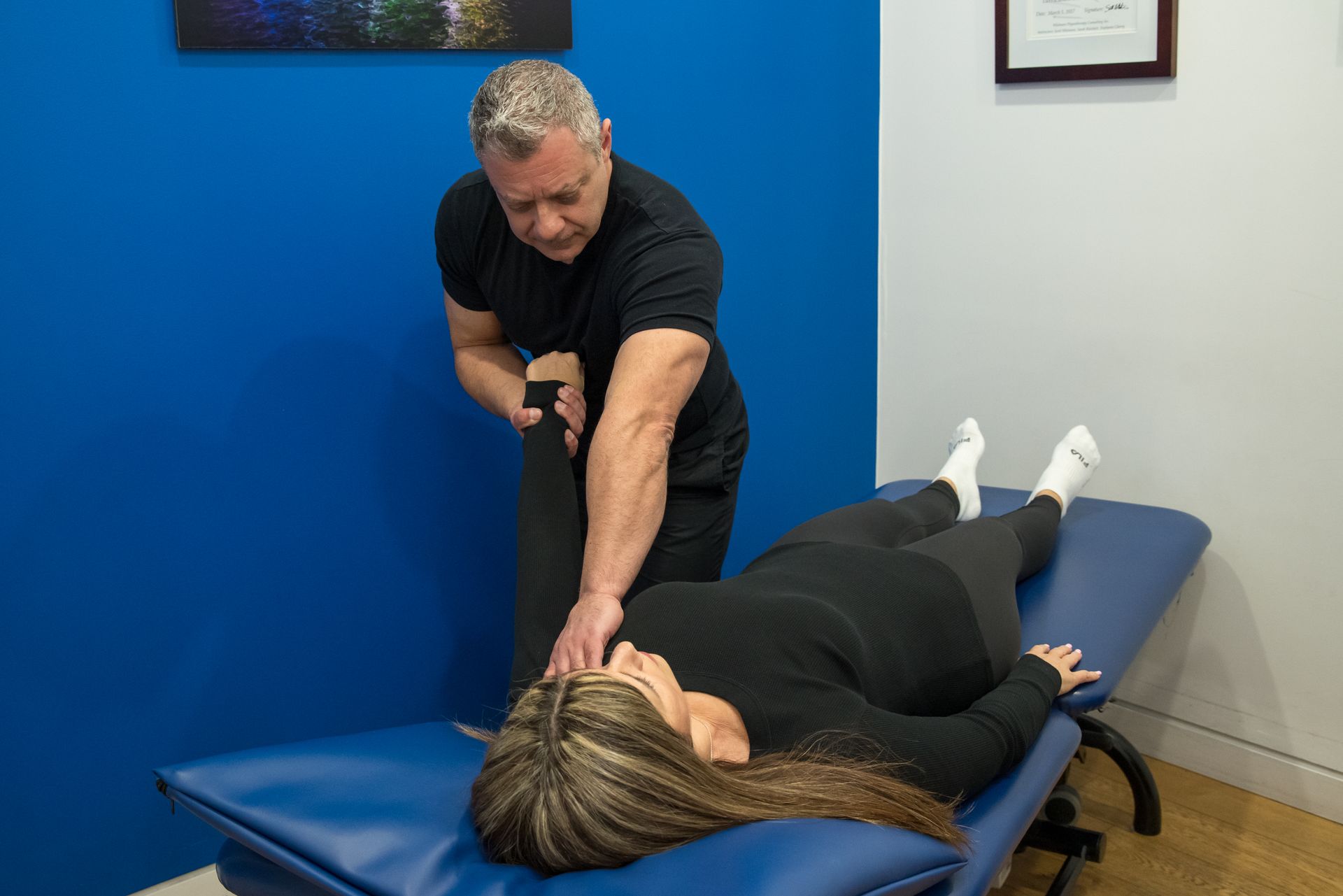
Explore the key differences between Osteopathy and Chiropractic Care. Understand their unique approaches to enhance your health at Sporting Edge Physiotherapy.
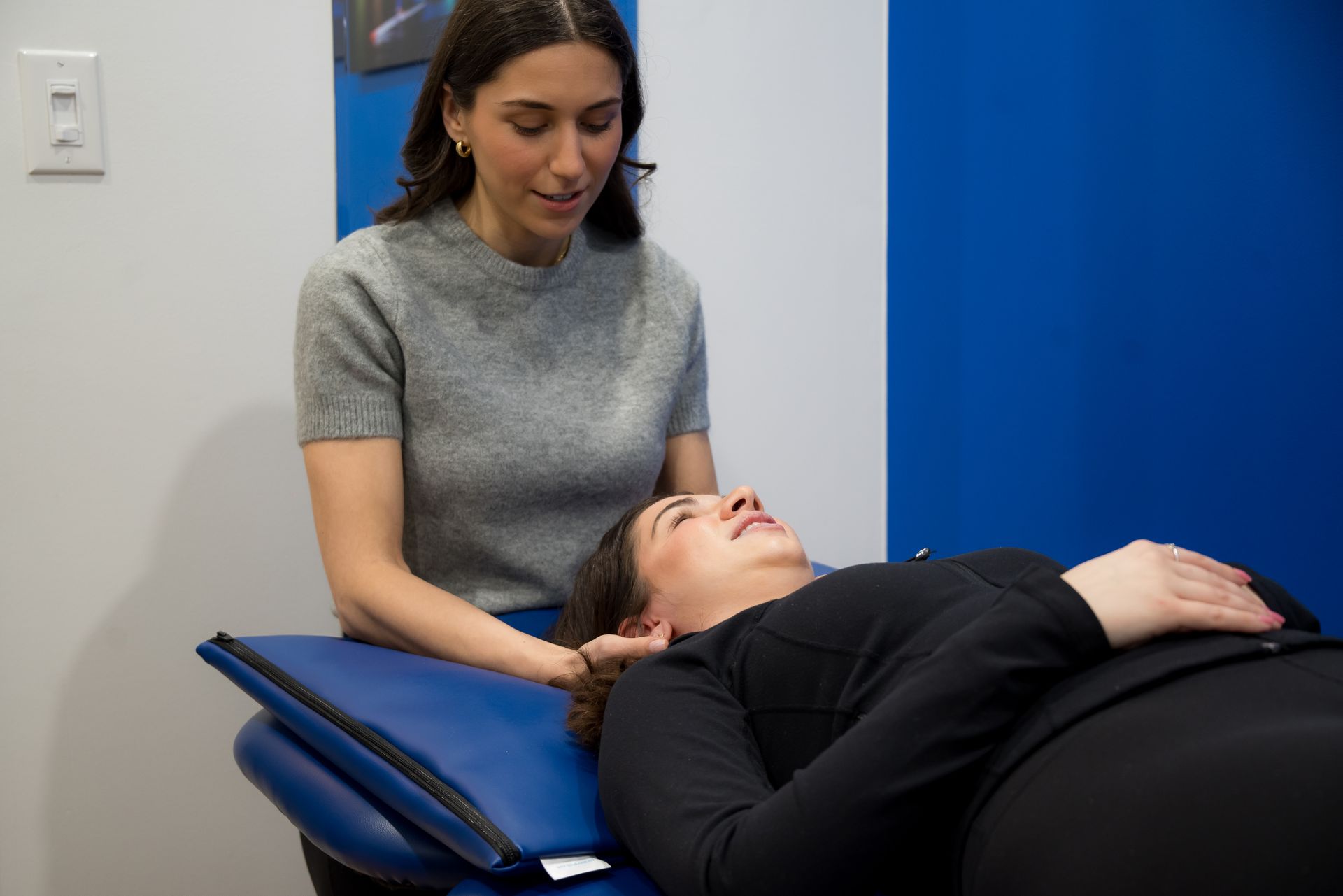
Need concussion rehabilitation in Vaughan? Sporting Edge Physiotherapy provides personalized, evidence-based treatments to help you recover swiftly.
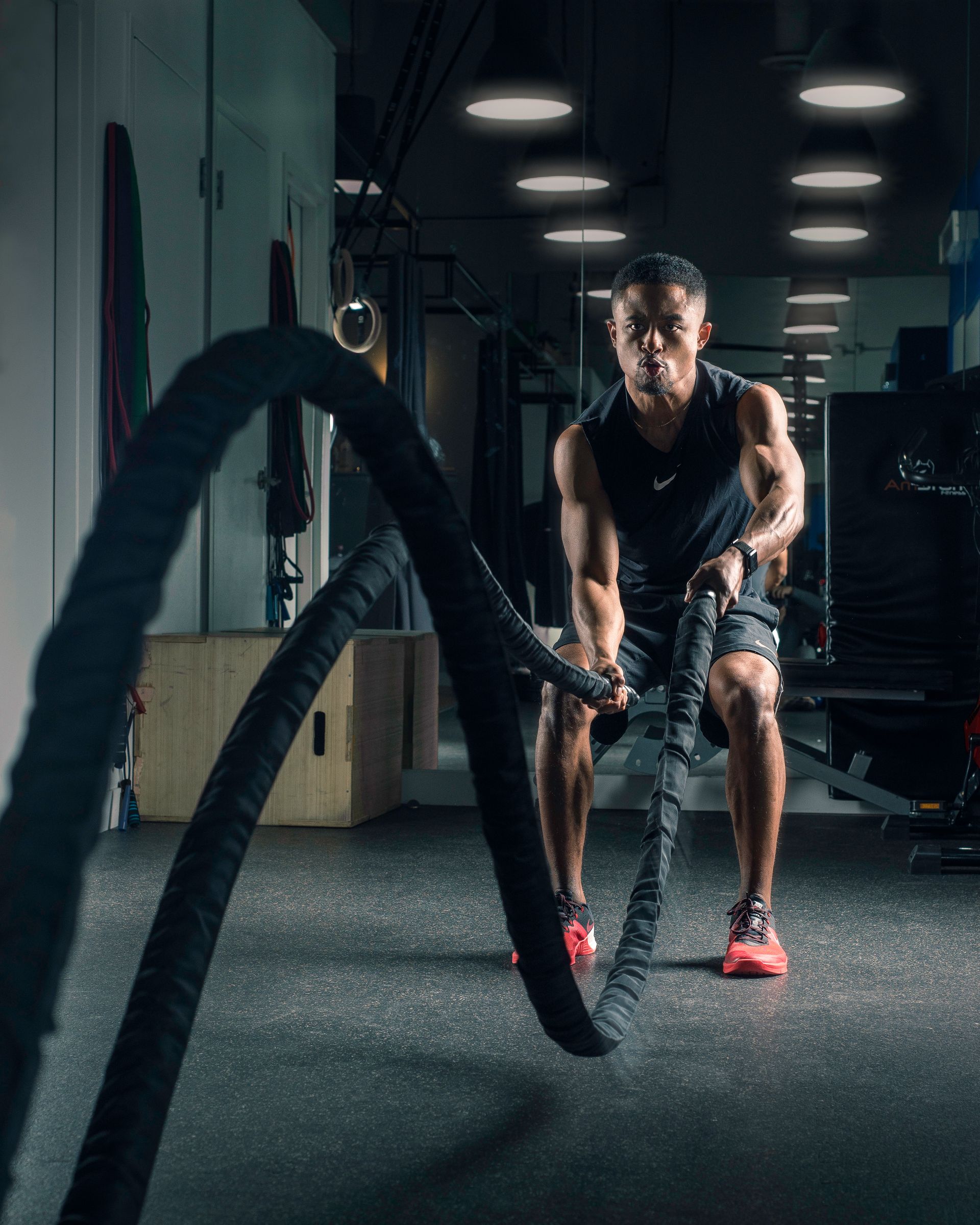
Embrace fitness as part of your lifestyle with the Sporting Edge Community. Discover our sponsorships and workshops meant to inspire, encourage, and support your fitness journey, while bringing the community together.
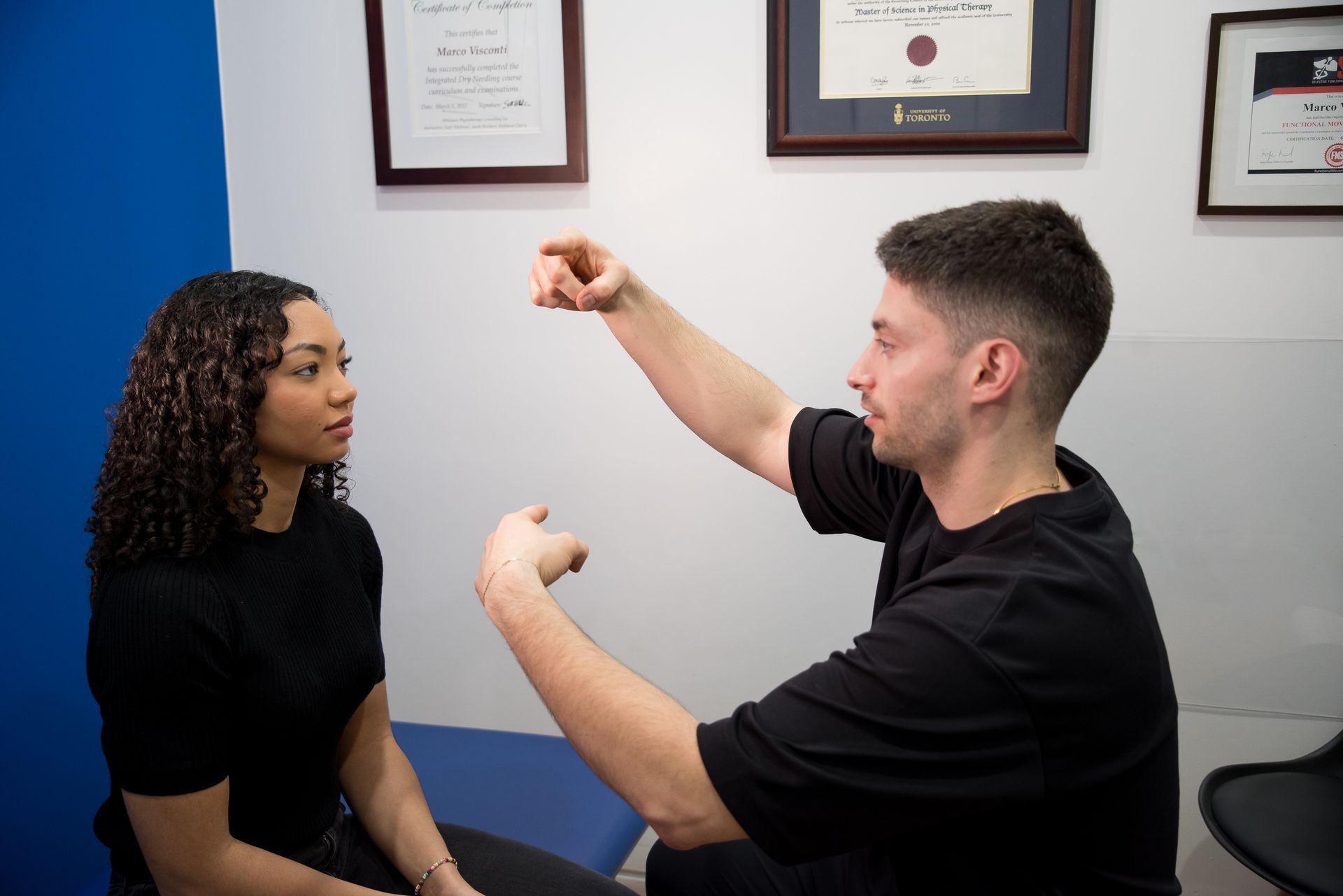
Explore how concussion awareness is reshaping sports culture with changes in education, rules, testing, and rehabilitation at Sporting Edge Physiotherapy.
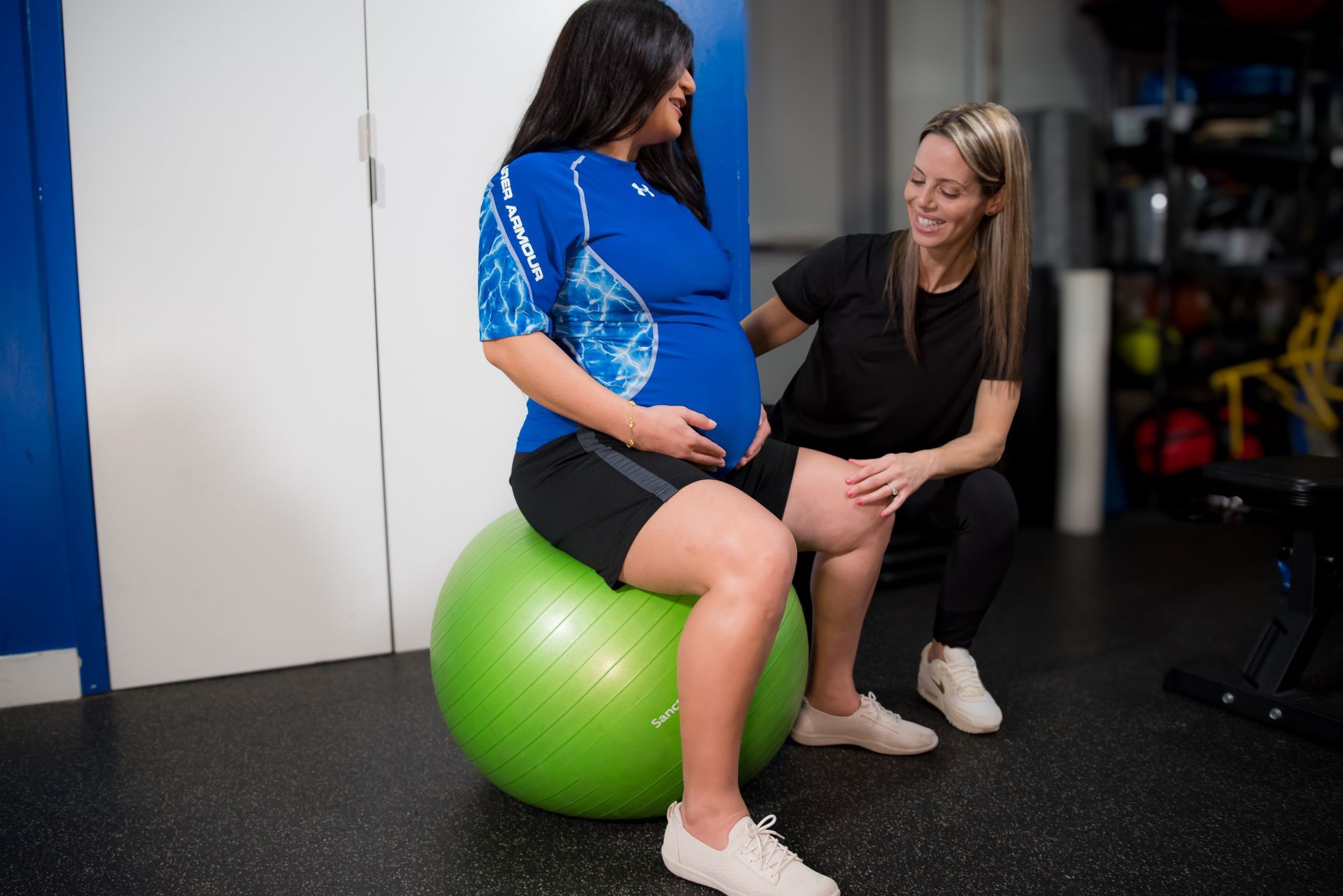
Learn how our specialized services at Sporting Edge Physiotherapy can provide the support and care you need during this crucial time of motherhood
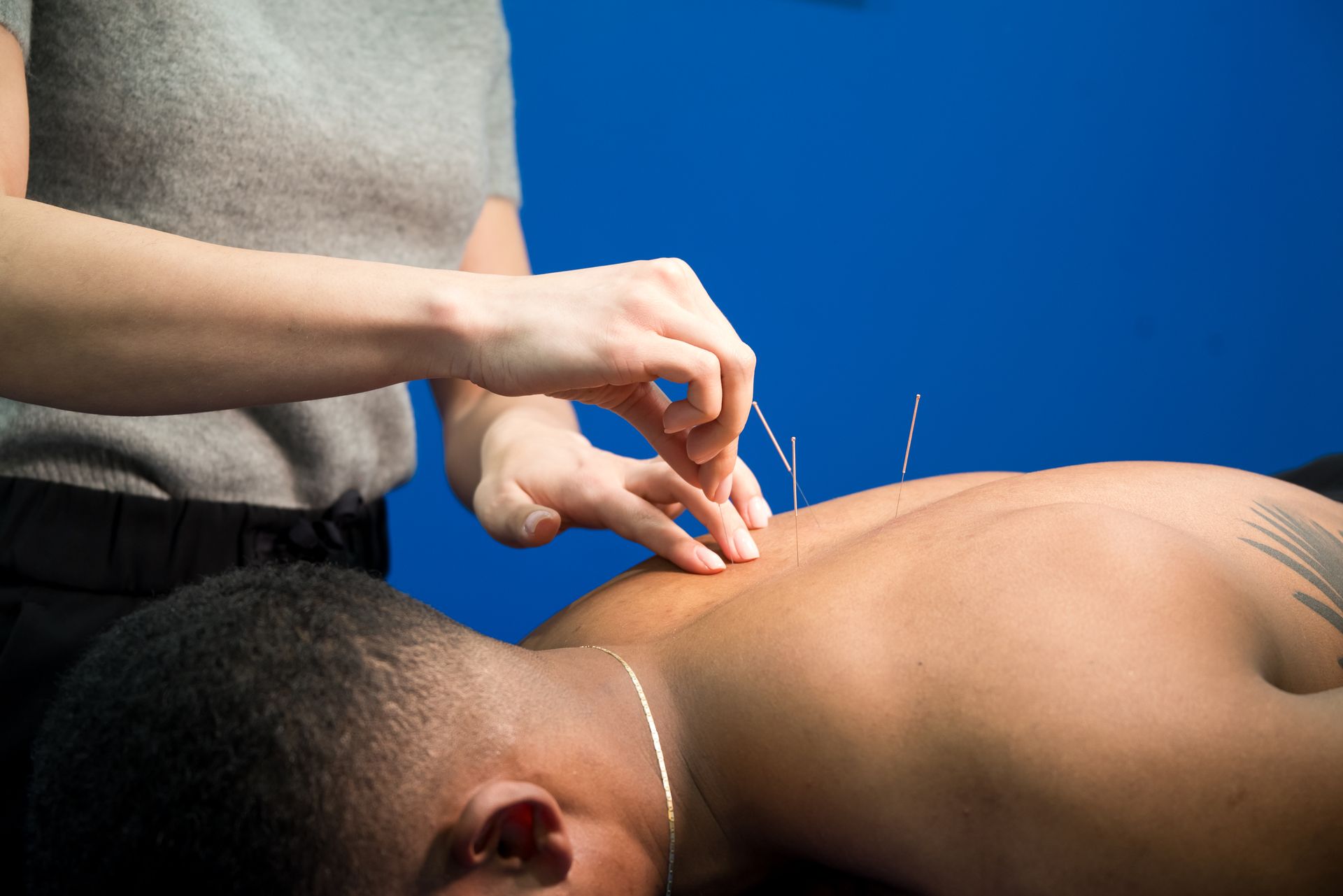
Discover how medical and neurofunctional acupuncture at Sporting Edge Physiotherapy can alleviate pain, improve physical performance, and boost emotional health.