As part of our ongoing goal to help our community understand the various facets of Physiotherapy and its wide array of techniques, we at Sporting Edge Physiotherapy offer you this comprehensive guide on Dry Needling or Intramuscular Stimulation (IMS). Let's delve deep into this innovative technique, shedding light on what it involves, its benefits, and who it’s best suited for.


What is Dry Needling?


Dry Needling, also known as Intramuscular Stimulation (IMS), is a highly effective form of therapy for musculoskeletal pain. This technique involves the insertion of fine needles into specific points in the muscles, also known as trigger points, to relieve pain and tension. The term 'dry' relates to the fact that no medication is injected but instead, the needle itself provides the stimulation.


Understanding the Technique


IMS initiates a healing response in muscle tissues by creating a controlled, minor injury. This method may sound imposing, but the needles used are similar to those used in acupuncture; they’re extremely thin and rarely cause any discomfort.


The Physiotherapist performing the session locates the tight and sensitive areas in the muscles manually. Once established, they insert the needle into the trigger point. It's then manipulated to create a local twitch response, which is an involuntary reflex that helps to relax the muscle and reduce pain.


The Benefits of Dry Needling


Dry Needling is a versatile technique with numerous benefits. Here are some of the most common ways this technique can aid your recovery:


1. Pain Reduction: The primary benefit of this technique is the ability to reduce pain. Needling trigger points can disrupt the nerve signals causing the pain, resulting in immediate relief.


2. Muscle Relaxation: This technique helps alleviate muscle tension and promotes relaxation. By disrupting the nerve signals, it reduces muscle contraction and promotes relaxation.


3. Increased Range of Motion: Dry needling can increase the range of motion in your joints by relaxing overly tight muscles that may be restricting movement.


4. Improved Blood Flow: The minor trauma caused by the needle stimulates blood flow to the area, which can help speed up recovery and healing.


Who Can Benefit from IMS?


Dry Needling can be beneficial for individuals experiencing a variety of musculoskeletal conditions. These include but are not limited to chronic back pain, neck pain, tension headaches, tennis elbow, plantar fasciitis, and even conditions like fibromyalgia.


The technique is versatile and can be adapted to treat a wide range of conditions. However, the suitability of this method depends on individual health status, pain levels, and overall comfort with the technique. It's important to discuss your specific needs with your Physiotherapist to ensure this is the right treatment plan for you.


To Summarize


At Sporting Edge Physiotherapy, we always put you at the heart of everything we do, this includes your therapy choices and your understanding of them. Dry Needling or Intramuscular Stimulation (IMS) is just one of the many services we offer tailored to your unique needs. It's an effective tool in our toolkit that has helped many patients recover faster and get back to doing the things they love.


Are you ready to live a life that is free from muscle pain and tension? Contact Sporting Edge Physiotherapy today to book an appointment and explore if Dry Needling is the right therapy for you.


Important Note: It's always crucial to remember that while IMS is a powerful therapeutic tool, it's not a standalone solution. It is typically used as part of a comprehensive treatment plan that may include other therapeutic techniques like exercise therapy, manual therapy, and more. As with any treatment, individual results may vary.

Share This Blog
By Sporting Edge Physiotherapy April 9, 2026
Mentorship At Sporting Edge Physiotherapy
By Sporting Edge Physiotherapy March 5, 2026
If you’ve ever crossed your legs when you sneeze, avoided certain workouts, felt heaviness or pressure, experienced pain with intimacy, or wondered whether postpartum recovery is supposed to feel this hard… you’re not alone. You’re not dramatic. You’re not “just getting older.” And you definitely don’t have to just live with it. Here’s the honest truth: pelvic health isn’t niche. It affects people of all ages, stages of life, and activity levels. Pelvic health Physiotherapy is a specialized area of Physiotherapy that focuses on the pelvic floor, the group of muscles that support your bladder, bowel, and reproductive organs. These muscles are part of your deep core system. They contribute to continence, stability, breathing mechanics, sexual function, and overall movement. When they’re not functioning optimally, whether they’re weak, tight, overactive, underactive, or simply uncoordinated, symptoms show up. Leakage. Urgency. Pelvic pain. Constipation. Pain with intercourse. Prenatal and postpartum challenges . And yet so many people stay silent about it. A Patient-Centered Approach to Healing One of the most reassuring things about pelvic health Physio is that it’s collaborative. Your physiotherapist doesn’t hand you a generic sheet of exercises and send you on your way. They start by meeting you where you’re at and listening to your story. Every journey is different, and treatment is tailored to your individual needs. Here’s what that often looks like: Assessment : Your therapist evaluates posture, breathing patterns, muscle coordination, and movement, because the pelvic floor doesn’t work in isolation. It’s part of a larger system. Internal and External Evaluation : Depending on your comfort level and symptoms, this may include both internal and external assessments to fully understand what’s happening. Everything is explained clearly, and consent is always prioritized. No surprises. No pressure. Education and Empowerment : You learn why your symptoms are happening and how your body works. That understanding alone can feel incredibly validating. When people feel informed, they feel empowered, and outcomes improve. Personalized Plan : From strengthening or relaxation strategies to breathwork, manual therapy, and return-to-sport programming, your plan is designed for your real life; whether that’s lifting your kids, training hard, or simply getting through the day without anxiety. Real-Life Benefits You Can Feel Pelvic health Physiotherapy can help: ● Strengthen bladder and bowel control so you feel confident in everyday moments ● Alleviate chronic pelvic pain, making daily life more comfortable ● Restore sexual health and function, supporting intimacy and confidence ● Support pregnancy, postpartum recovery, and preparation for childbirth ● Help athletes return to training and performance with stability Most importantly? People stop organizing their lives around symptoms. They start trusting their bodies again. Why We Care About It So Much At Sporting Edge Physiotherapy, these conversations aren’t whispered. They’re welcomed. Pelvic health is integrated into a broader philosophy of strength, movement, and long-term resilience. Clients are treated as whole people, not diagnoses. We see postpartum athletes wanting to return to sport confidently. We see individuals who’ve been told “everything looks normal” but still don’t feel like themselves. And we see the shift that happens when someone realizes there’s support and a solution. For Physiotherapists who are passionate about this area, it’s an incredibly meaningful space to work in. Pelvic health is respected, integrated, and supported within a collaborative, performance-driven team environment. If any part of this resonated with you, as a client or as a clinician, consider this your gentle invitation to start the conversation. Because pelvic health isn’t optional. It’s foundational. You deserve to feel strong, supported, and understood.
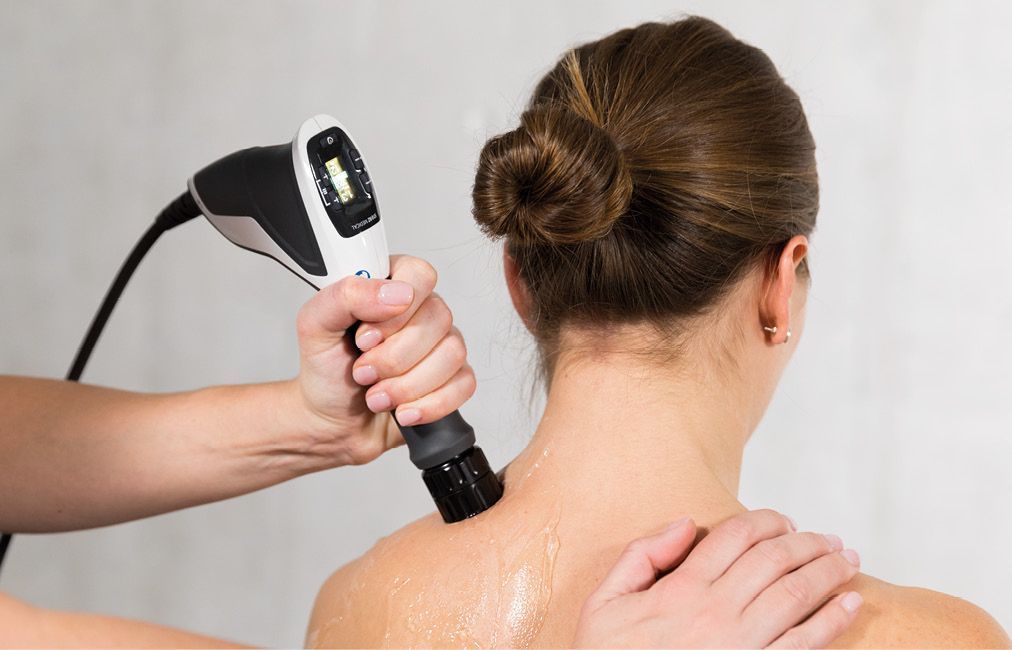
Therapist uses a shockwave  device on a woman's shoulder for medical treatment.
By Sporting Edge Physiotherapy August 15, 2025
Experience the no added cost benefits of Shockwave therapy for turf toe, plantar fasciitis, patellar tendinitis, rotator cuff tendinitis, tennis & golfer's elbow
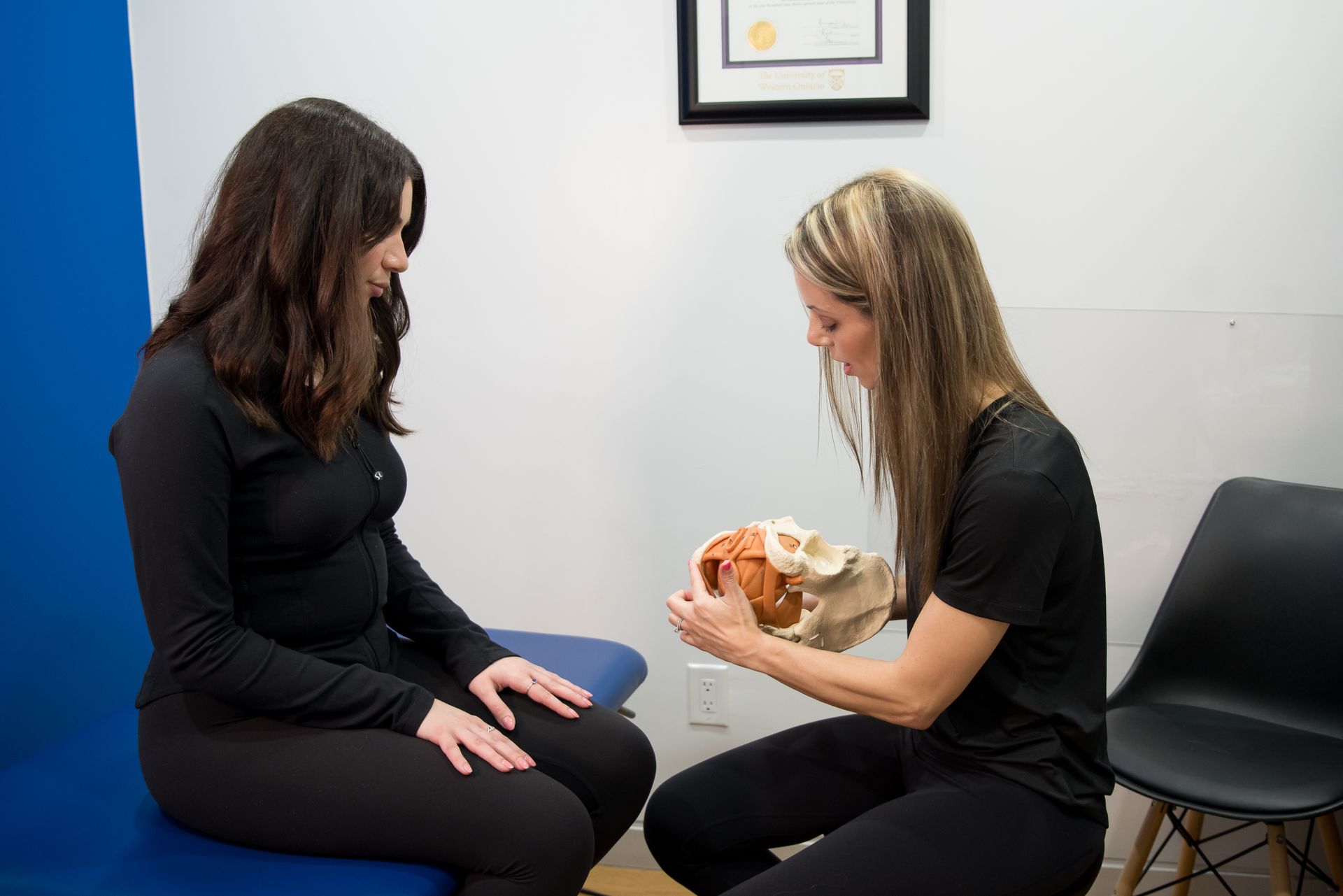
Woman consults with a healthcare professional about a pelvic model in a clinic.
By Sporting Edge Physiotherapy January 14, 2025
Unravel the misconceptions about pelvic floor therapy with Sporting Edge Physiotherapy's blog. Explore how it can improve your overall health and well-being.
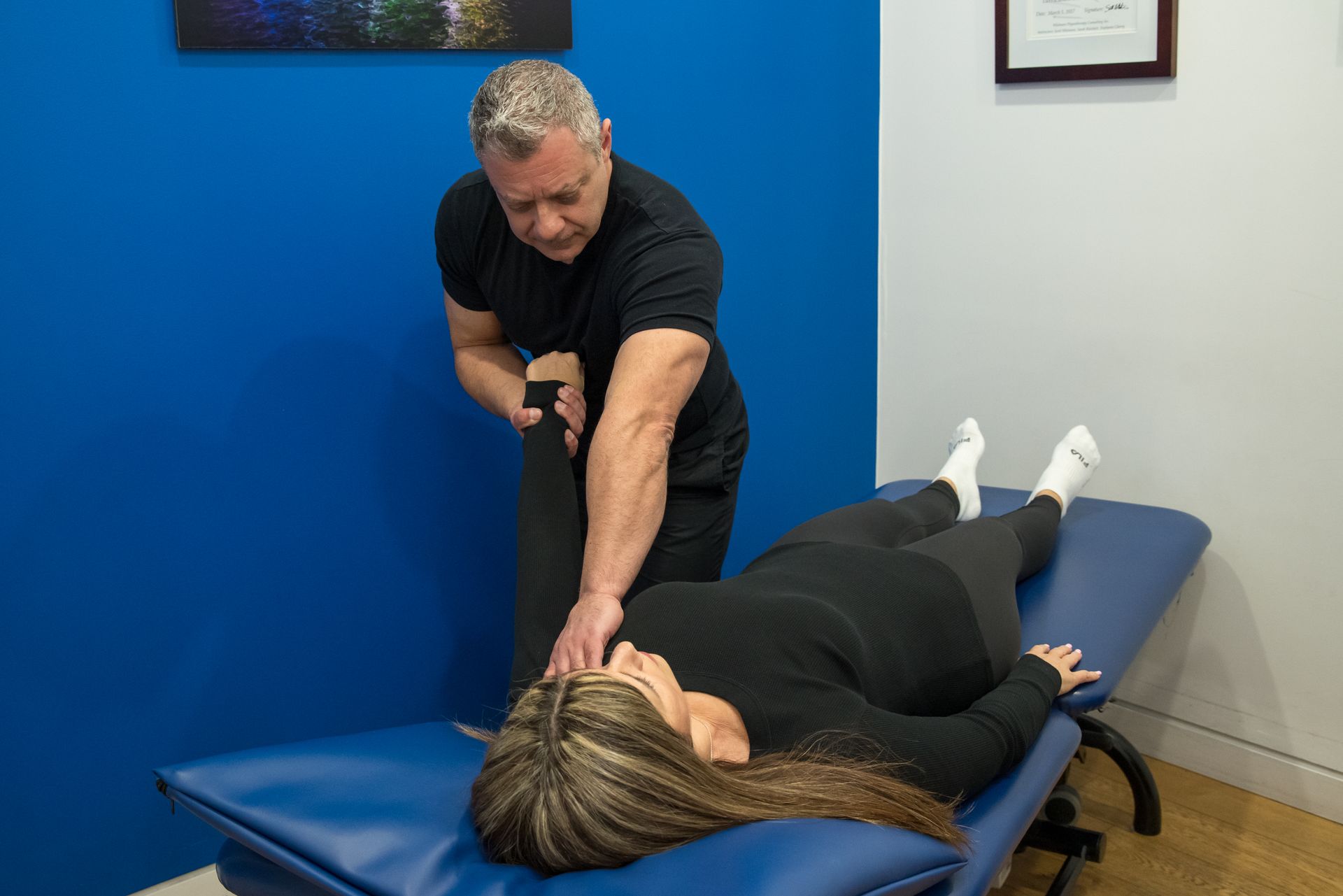
A man is giving a woman a shoulder mobilization
By Sporting Edge Physiotherapy December 18, 2024
Explore the key differences between Osteopathy and Chiropractic Care. Understand their unique approaches to enhance your health at Sporting Edge Physiotherapy.
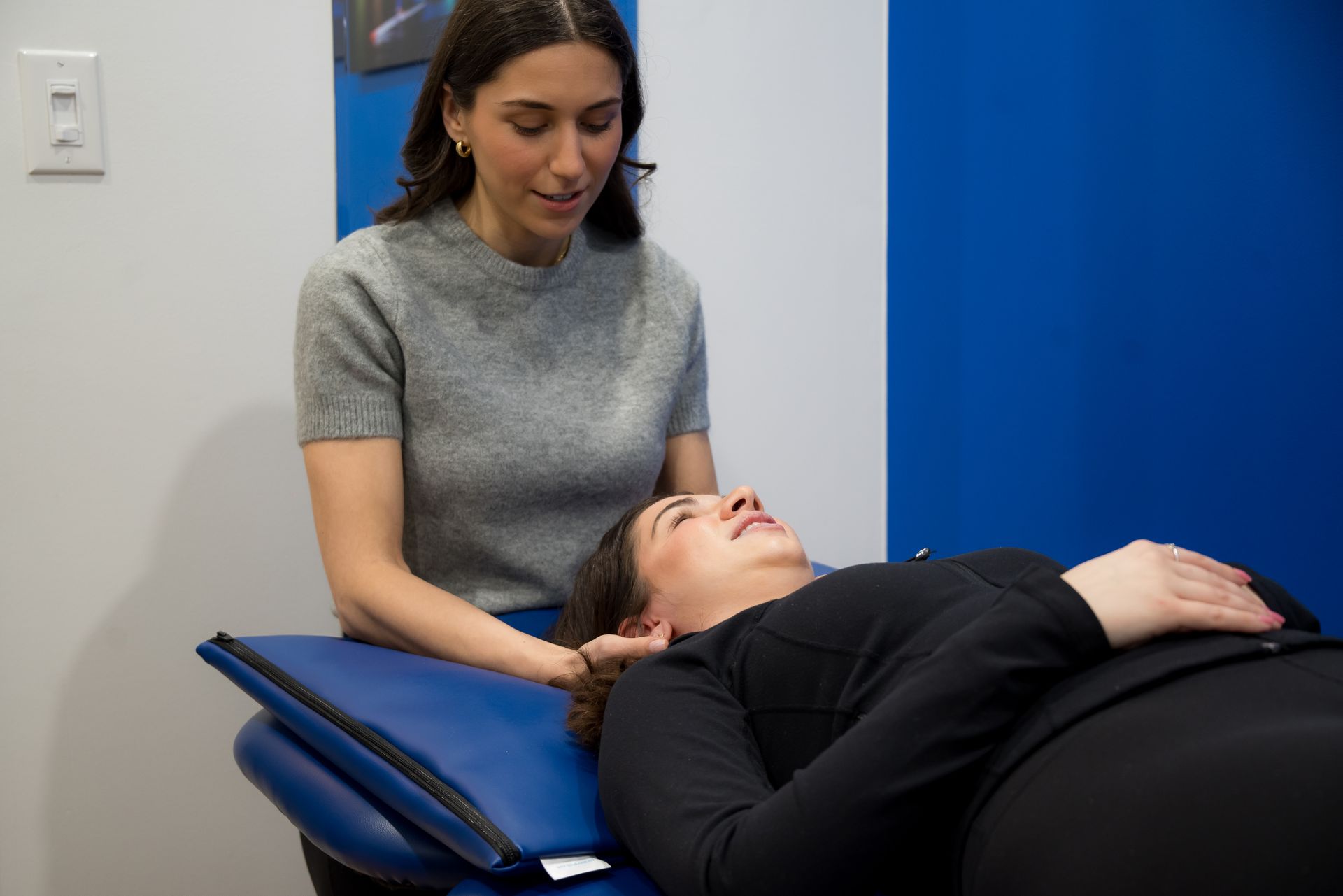
Woman receiving neck treatment from therapist after sustaining a concussion
By Sporting Edge Physiotherapy November 18, 2024
Need concussion rehabilitation in Vaughan? Sporting Edge Physiotherapy provides personalized, evidence-based treatments to help you recover swiftly.
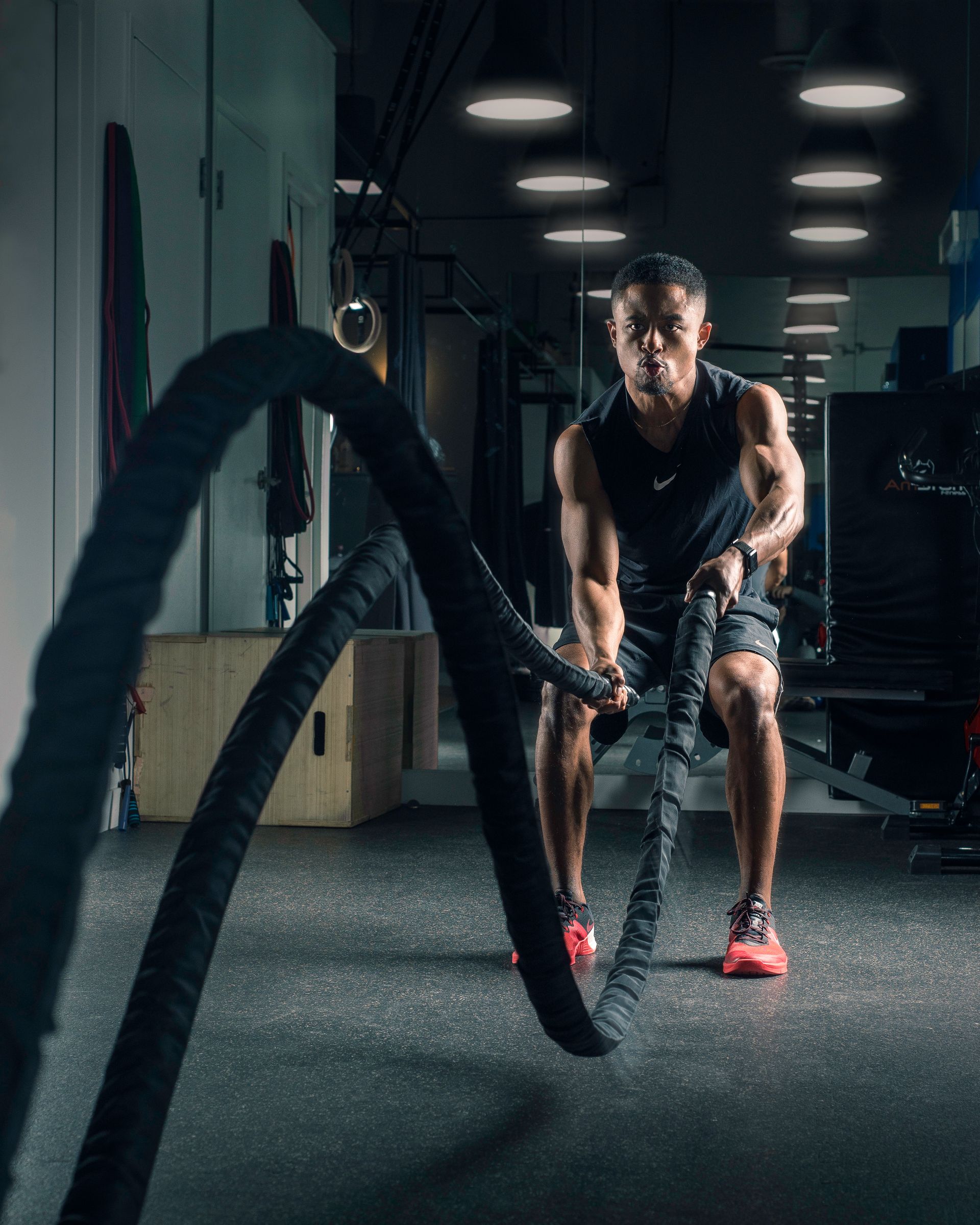
Physio Bentzen Takyi strength training with battle ropes
By Sporting Edge Physiotherapy November 4, 2024
Embrace fitness as part of your lifestyle with the Sporting Edge Community. Discover our sponsorships and workshops meant to inspire, encourage, and support your fitness journey, while bringing the community together.
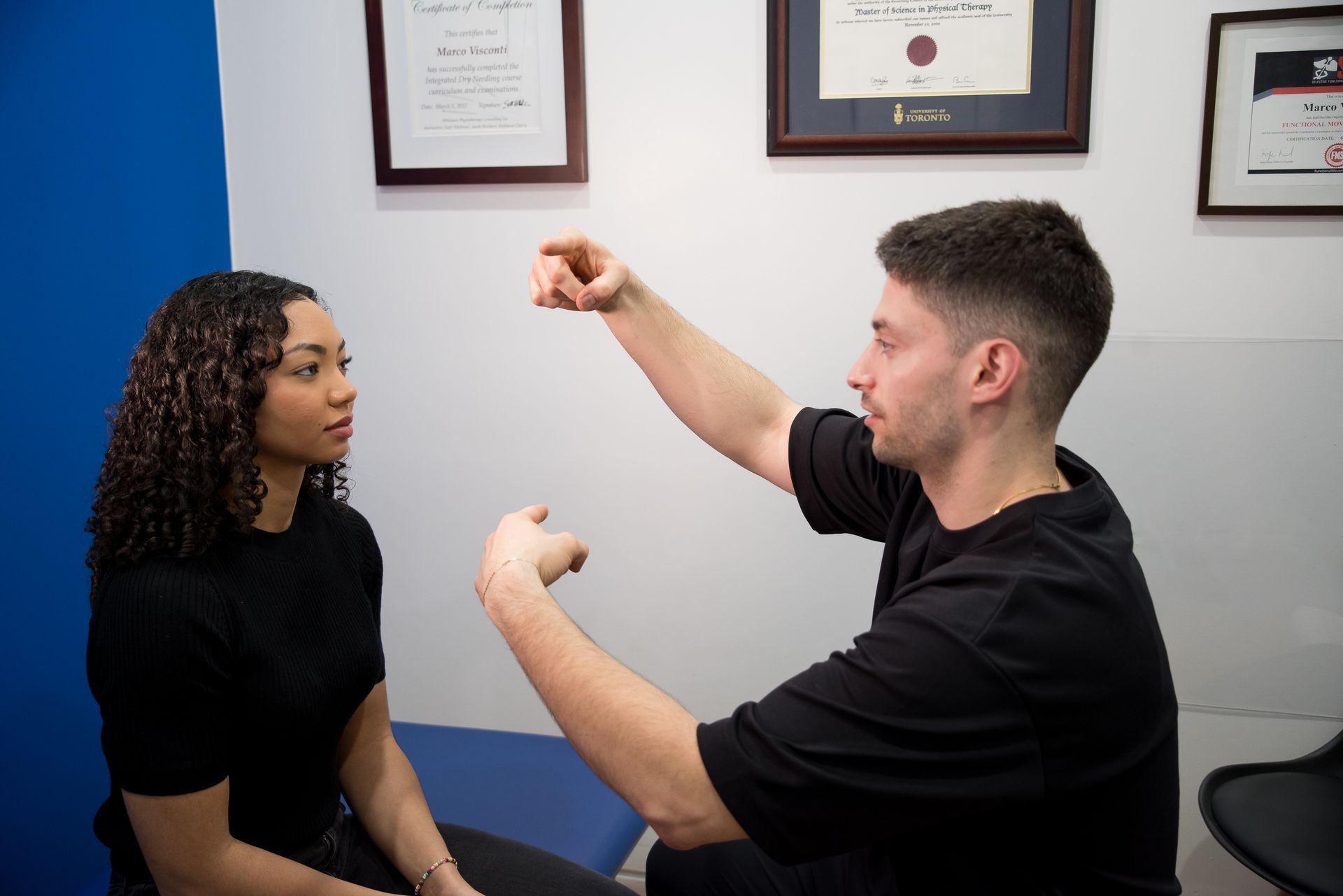
Physiotherapist  performing vision assessment after concussion
By Sporting Edge Physiotherapy October 22, 2024
Explore how concussion awareness is reshaping sports culture with changes in education, rules, testing, and rehabilitation at Sporting Edge Physiotherapy.
a pregnant woman working out with an exercise ball
By Sporting Edge Physiotherapy October 8, 2024
Learn how our specialized services at Sporting Edge Physiotherapy can provide the support and care you need during this crucial time of motherhood
person getting an acupuncture treatment on their back
By Sporting Edge Physiotherapy September 10, 2024
Discover how medical and neurofunctional acupuncture at Sporting Edge Physiotherapy can alleviate pain, improve physical performance, and boost emotional health.